By Dr Elenia Kolokotronis ©
We are well into our flu season, and we often brace ourselves for that time of year when we fall ill with a cold, flu, or bacterial infection. When looking at the main culprit, influenza (flu), which is a respiratory infection caused by the influenza virus, we understand that it can often lead to pneumonia. Pneumonia from influenza can manifest into secondary bacterial pneumonia, which may lead to hospitalization if left untreated. Although we do have the assistance of vaccines and antiviral medications in lessening the effects of these infections, we cannot evade them as the viruses continuously mutate and lessen the ability and effects of the vaccines to assist us. However, what some of us do have that others may not, is a silent and very effective defense against these viruses.
We all know that one person who never gets sick, or if they do, hardly shows signs of illness, or at the very least is ill for a very short time and recovers fast. They either present no symptoms of being ill or minimal symptoms, and they always recover with ease. Why is that? And what do they have that others do not when we look specifically at viral and bacterial infections?
Scientists have found, proven, and published research findings that the microbial community in the gut influences the body’s immune reaction to viral infections such as influenza. By increasing the number of beneficial bacteria in the gut through sound nutrition and, in some cases, supplementation, it is very possible to enhance the immune system’s ability to fight against influenza viruses as well as lessen the effects of being infected. On the other hand, we see antibiotics that are needed when the secondary bacterial infection comes into play, disrupts the gut’s intestinal microorganisms’ balance, and destroys the efficacy of the flu vaccines that may have been administered. We see here that a sound gut is harder than a flu vaccine for some who may have been administered antibiotics (PubMed Central, Fan Xu, et al., BMC Infectious Diseases 2023). This means that there is no evidence demonstrating a possible bidirectional causal connection between the prevalence of gut microbiota and the occurrence of influence infection and re-infection. The presence of gut microbiota may potentially contribute to the development of pneumonia caused by influenza, and further investigation into the interaction between specific bacterial communities and influenza can enhance efforts to prevent and treat influenza. Studies have shown that having the flu can lead to changes in the gut microbiota, differentiating it from bacterial infections and other viral infections. Thus, the microbiota of individuals may function as an indicator for accurately detecting influenza and differentiating it from other diseases. How incredibly clever is our gut? This is why the gut is known as our second brain.
So how can we fuel our gut to be fortified and strong? Nutrition is the most important aspect more than anything else, and scientifically, this is backed up. Nutrients from our food influence our human metabolism and organ function through energy-delivering nutrients and essential vitamins, minerals, and other elements. Cellular growth, immune health, organ function, and all other bodily benefits will largely and mostly depend on what food we eat. If we eat nutrient-empty, high-sugar, highly processed foods, we know that we can never support or boost our body’s ability to be healthy. If we sustain ourselves with whole, natural foods that are as close to their natural state as possible and are prepared to be eaten properly (steamed, raw, grilled, no frying, etc.), we know that we are not only strengthening our bodies but our minds as well.
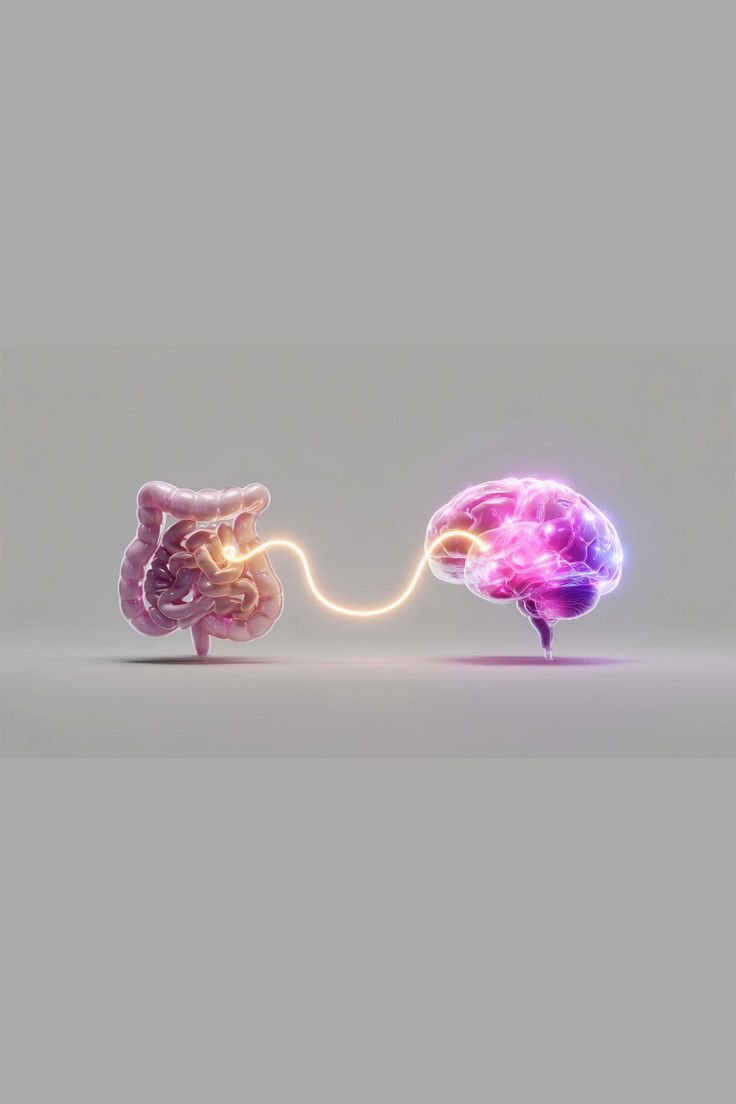
When we look at the gut, we know that the gut and our brain are directly linked by a system called the vagus nerve. The vagus nerve is the main aspect of the parasympathetic system that is responsible for the control of mood, immune response, digestion, and many other elements. It is the highway connection between the brain and the gastrointestinal tract and sends messages and information about the state of our inner organs to the brain. We understand from this that our sound nutrition, the peak performance of our gut, and how we respond to illnesses are inextricably linked. Although we must be aware that there is a time and place for medicine, medical doctors, and all other forms of therapy, it is always the greatest advantage for ourselves to prevent as far as possible rather than the morality of the cure.

EST 2010
SAQA R/N 02208040020
ASCHP NUMBER (SA) SWC221331
HARVARD (USA) ACCM
MEPA Saudi Arabia, UAE RESIDING MEMBER NUMBER 250
Accredited ESG (EU) & THE NARIC (UK)646