By Dr Elenia Kolokotornis ©
The gut is not called the second brain as a metaphor only—the gut is genuinely intelligent, influential, and deeply connected to how we think, feel, behave, and ultimately live.
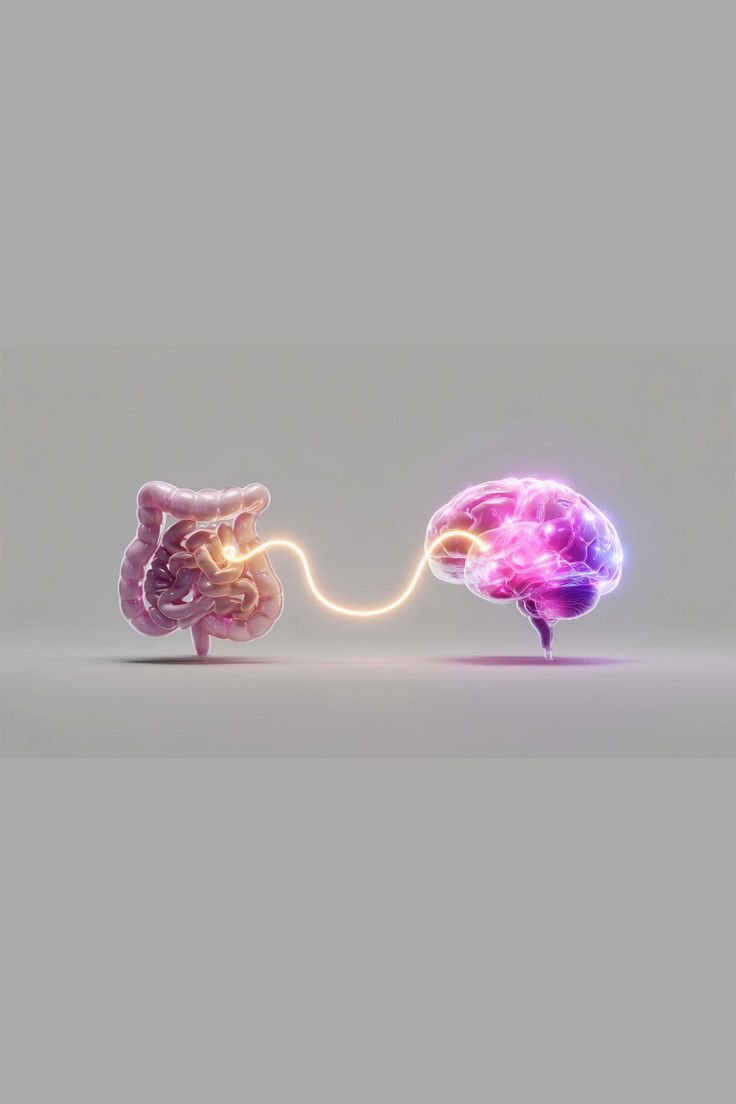
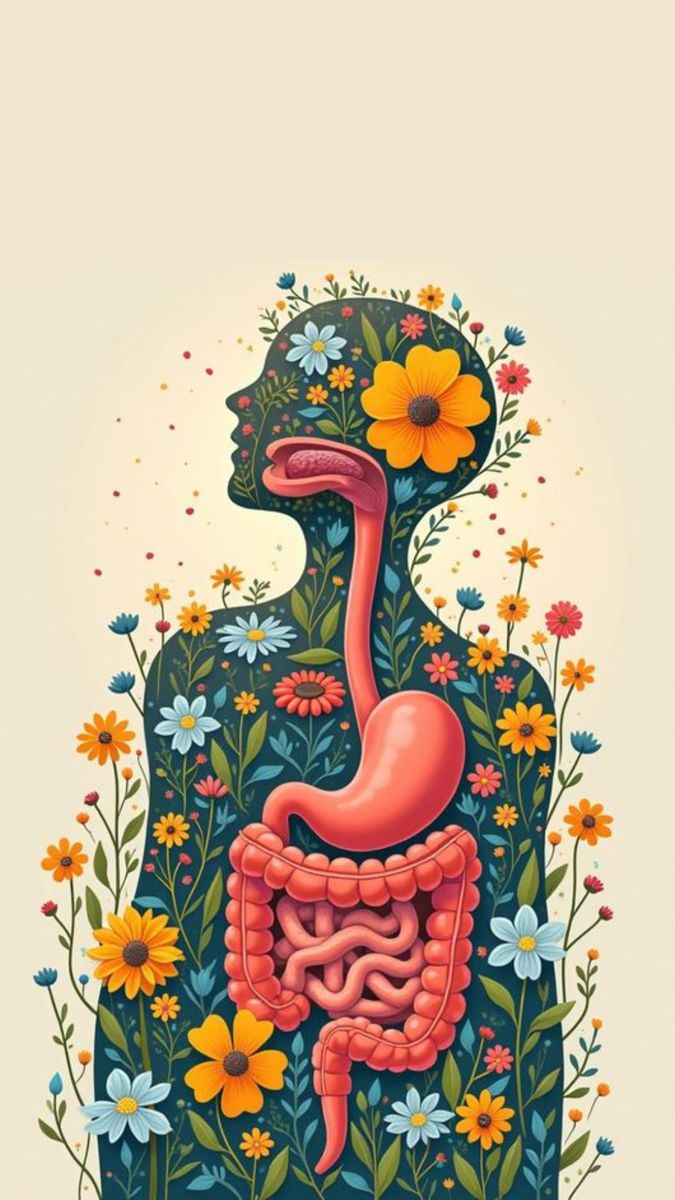
The gut, formally known as the GI, gastrointestinal tract, or digestive tract, has its own nervous system containing the enteric nervous system that is made up of more than one million nerve cells, even more than the spinal cord. This system can sense what is happening inside the gut, control digestion on its own, and communicate directly with the brain, like a telephone line and a conversation happening between two people. The gut makes decisions on its own that make the brain actually listen to and follow orders. This happens via the gut-brain axis, a communication pathway between the gut and the brain involving nerves, with the most important being the vagus nerve; hormones; and immune signals, and because of this, we experience digestive issues, constipation, skin issues and stomach pain with stress, hair loss, fatigue and muscle pains in neck and shoulders from stress for example.
Scientists have found, proven, and published research findings that the microbial community in the gut influences the body’s immune reaction to illnesses. By increasing the number of beneficial bacteria in the gut through sound nutrition and, in some cases, supplementation, it is possible to enhance the immune system’s ability to fight against illnesses and disease. It is also very important to know that the gut produces about 90% of serotonin, the feel-good transmitter—the gut produces this, not the brain. The gut also impacts dopamine, GABA, and other chemicals involved in mood regulation, motivation, calmness, and sleep. How incredibly clever is our gut? This is why the gut is known as our second brain.
So how can we fuel our gut to be fortified and strong? Nutrition is the most important aspect, more than anything else, and scientifically, this is backed up. Nutrition is the main language the gut understands, as it houses trillions of bacteria that protect the gut lining, reduce inflammation, and support overall bodily well-being. Nutrients from our food influence our human metabolism and organ function through foods that are energy-delivering nutrients and essential vitamins, minerals, and other elements. Cellular growth, immune health, organ function, and all other bodily benefits will largely and mostly depend on what food we eat. If we eat nutrient-empty, high sugar, highly processed foods, we obviously know that we can never support or boost our body’s ability to be healthy. Should we be sustaining ourselves with whole, natural foods that are as close to their natural state as possible and being prepared to be eaten properly (steamed, raw, grilled, not fried, etc.)? We know that we are not only strengthening our bodies but our minds as well.
When we look at the gut, we know that the gut and our brain are directly linked by a system called the vagus nerve. The vagus nerve is the main aspect of the parasympathetic system that is responsible for the control of mood, immune response, digestion, and many other elements. It is the highway between the brain and the gastrointestinal tract, sending messages and information about the state of our inner organs to the brain. We understand from this that our sound nutrition, our peak performance of our gut, and how we respond to illnesses are inextricably linked. Although we must be aware of the time and place of medicine, medical doctors, and all other forms of therapy, it is always the greatest advantage for us to prevent as far as possible rather than to rely on the rigor of the cure.
EST 2010
SAQA R/N 02208040020
ASCHP NUMBER (SA) SWC221331
HARVARD (USA) ACCM
MEPA Saudi Arabia, UAE RESIDING MEMBER NUMBER 250
Accredited ESG (EU) & THE NARIC (UK)646