Dr Elenia Kolokotronis
Many of us suffer a moment or moments in time that cause our equilibrium to be disrupted and lead to emotional unease. The first port of call when this emotional distress does not dissipate is to rush to our nearest GP and get prescription medication to assist in the form of sleeping medication, antidepressants, and so on. However, if we unpack the nucleus of our unsettled mental state and delve deeper into the how’s and whys of what can actually assist us rather than wallpaper over our issues, we can look to many realistic alternatives that not only will assist us in getting out of our mental unease but also can and will act as a lifelong crutch when similar emotional disruptions occur in the future.
Food
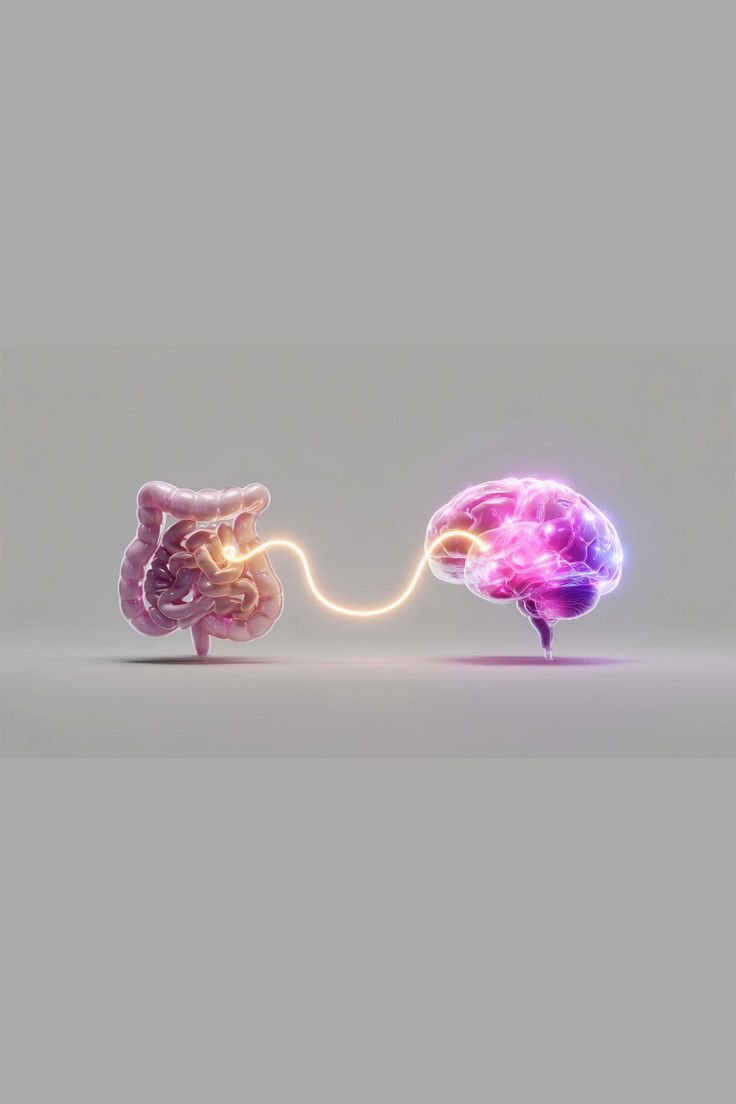
What we already know about food and mental stability is that the correct eating of natural, whole foods contributes to providing sufficient nutrients for gut and brain function, ensuring the correct support of the gut-brain connection via the vagus nerve, ensuring hormones are balanced and supported, and providing immune strength and fortification and overall bone, muscle, skin, and organ health. What many may not know regarding food as a vital tool for mental wellness is that massive findings are proving that ultra-processed foods have a direct link to the research group that lived off that way of eating and had higher levels of depression, insomnia, and various mood disorders than the other compared group that ate a healthier, more whole foods-based diet. Added the research found that medication prescribed did not have a long-term effect in assisting these patients nor showed any signs of any of the patients in this group being able to wean off the medication or stop the medication altogether as opposed to the group where the patients ate well and had the same prescribed medicines (not placebos), who were able to come off the medication. The conclusion was that the food the groups were eating not only impacted their ability to overcome or reduce their emotional unease through medication, but that the diet was the determining factor of how well they recovered or not, regardless of whether they were on chronic medication or not.
Personally, from what I have deduced from many years of practice, the connection between nutrition and mental health runs both ways. The foods we eat can affect our mental health, and our mental health can affect the food choices we make and the foods we eat.
Faith
The first aspect to note on the topic of faith and mental wellness is the statistics that show that most persons who have a strong faith in their beliefs, be it religious or spiritual, have lower rates of suicide, depression, substance abuse, anxiety, or insomnia. The studies that prove these statistics saw that being part of a community and the shared beliefs and practices allowed the groups to feel safe, understood, supported, and stable, versus the groups that did not follow any religious or spiritual denominations or who did not have faith or interest in the concept.
The latest study published by ResearchGate 04/2025 found that persons practicing their faith via their religion felt more purpose and meaning, social support and community, healthy coping mechanisms, and understanding of life-changing events such as death or trauma; healthier behavior patterns; resilience; hope; and overall better navigation of life challenges.
Traditional healing
For this aspect of aiding mental unease, we need to be very specific about what type and kind of traditional healing we are mentioning in this article. For this instance, we only look at safe, proven, and structured methods that do no harm to humans, animals, or the planet. Here, we focus on centuries-old traditional healing in the form of botany, naturopathies, herbal medicines, faith healing, cupping, reflexology, acupuncture, deep tissue release massage, drumming, and other emotional release techniques. Traditional healing is often sought after for mental health care due to cultural beliefs, accessibility, ethnic specificity, affordability, and, most importantly, patients’ belief that it works. Research does find proven advantages in some of these practices, so it is worth looking to these to aid the spherical, more gentle approach to mental wellness.

DR. ELENIA K NUTRITIONS (PTY) LTD
2017/332711/07
ASCHP NUMBER (SA): HC21-1002
HARVARD (USA)
MEPA Saudi Arabia, UAE RESIDING MEMBER NUMBER 250
Accredited by the ESG (EU) & ACCREDITED BY THE NARIC (UK) 646
NQF REGISTRATION NUMBER 646