By Dr Elenia Kolokotronis
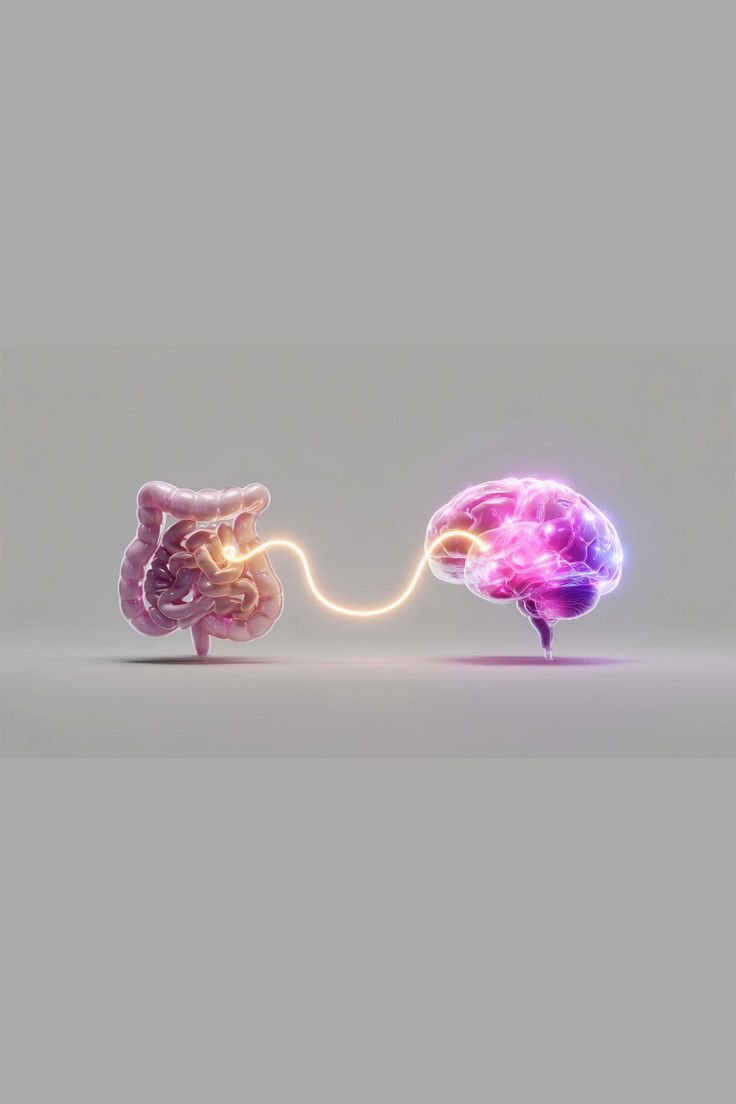
The fundamental relationship between the gut and the brain is so overwhelmingly significant that it is referred to as the Gut-Brain Axis. This is an intricate communication pathway connecting the digestive system and the central nervous system. There is overwhelming evidence that the health of the gut directly and significantly influences mood, emotional wellbeing and is a great determining factor of diagnosed depression or a risk there of.
How the gut and what is happening inside the gut affects depression and other mood disorders is by the following:
The production of neurotransmitters where the gut is a major producer of neurotransmitters that regulate mood. Up to 90% of serotonin – the feel-good neurotransmitter is produced in the gastrointestinal tract. While this serotonin does not directly enter the brain, it does influence the communication between the two thus affecting mood regulation.
The brain and inflammation affects due to poor diet leading to unhealthy and unbalanced gut bacteria can increase intestinal lesions or tearing, permeability (a medical condition called Leaky Gut) allowing inflammatory compounds to leak into the blood stream and this chronic inflammation directly causes emotional and physical affects such as depression, fatigue, anxiety, insomnia and other cognitive struggles that then, loop back to mood disorders in a negative knock on effect.
The Gut micorbiome is the home to trillions of bacteria inside the digestive tract. A varied and diverse microbiome is vital for the production of good compounds to aid in brain health. When disbiosis (an imbalance in the microbiome) occurs inflammation takes place, altering neurotransmitter production and efficacy and has the after effect higher risks of mood disorders or elevated depression and anxiety.
Communication through the Vegus nerve by means of the gut-brain axis is the direct communication pathway between the cut and the brain. Imagine a V-shaped structure that signals immense information between the gut and brain. Signals made in the gut microbes can influence stress responses, emotions, behaviour, weight management and even sleep.
The vital role of nutrition and blood sugar regulation are the number one influences on gut health and emotional wellbeing. Diets high in sugar, ultra processed foods and refined carbohydrates and saturated fats and added sedentary lifestyle causes fluctuations in blood glucose levels and this contributes to irritability, fatigue, anxiety, insomnia and low libido. However when we look at stable blood sugar levels and an active lifestyle, we can witness firsthand more stable emotional regulating, balanced sleeping patterns, energy and less medication needed due to less clinical diagnosed illnesses such as obesity, cholesterol, depression and or diabetes. Nutrient dense diets rich in natural foods such as vegetables, fruits, nuts, animal meat proteins, and healthy fats supports brain and the gut simultaneously and nourish good gut bacteria that in turn reduces inflammation and ultimately provides healthy brain function. It is like probiotics but from the real, true and natural source for the human being – food.
From the above we conclude that depression is not only a disorder of brain chemistry. In many individuals we see that metabolic dysfunction, chronic inflammation, obesity and poor gut health because of the above certainly contributes to the development and advancement of mood disorders. We can say with absolute surety that improving nutrition, lifestyle and in turn gut health can play an important role in supporting mental well being.