By Sydney Sekese, CFP® professional and member of the FPI
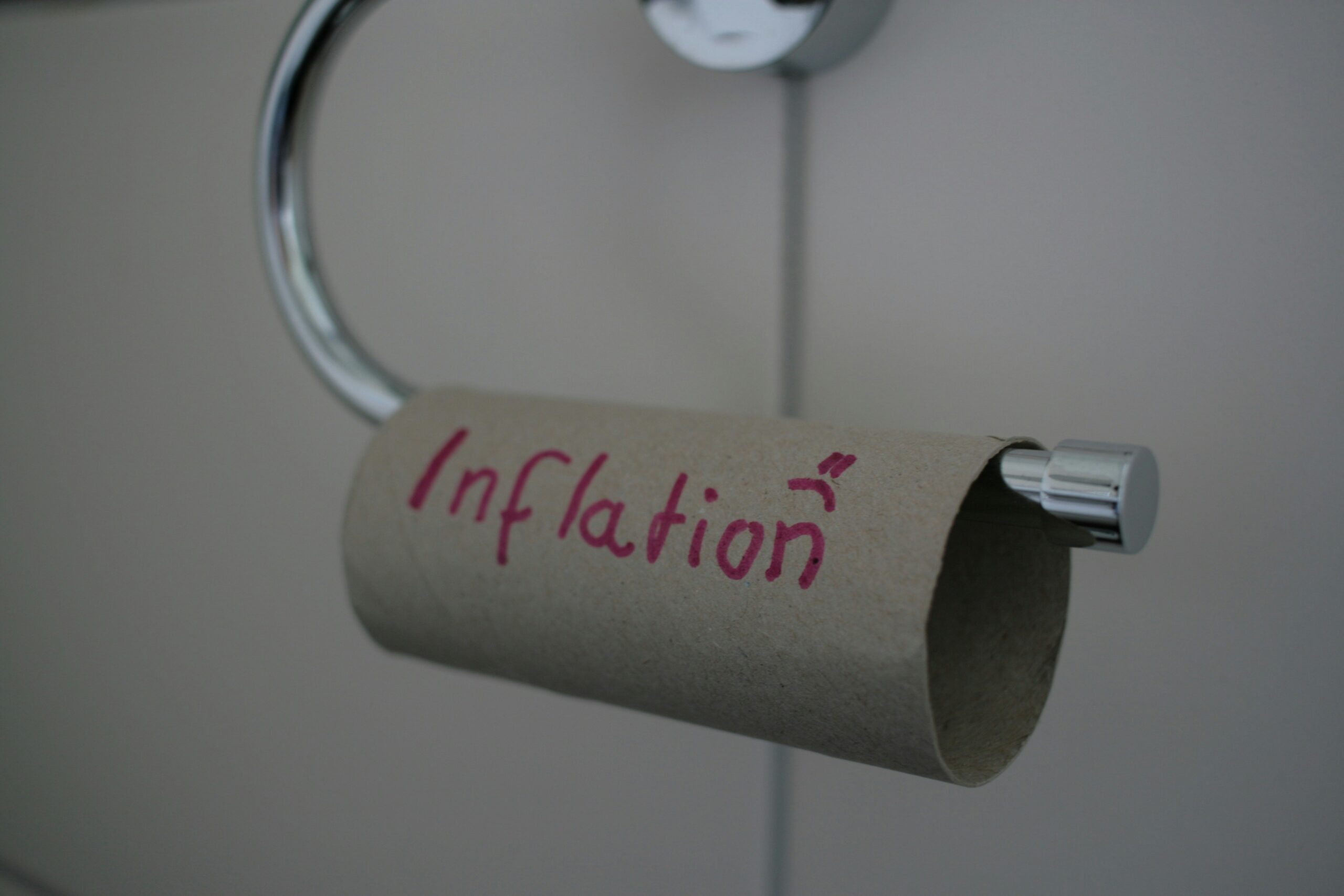
Every now and then, the economy presents us with a problem so large, so visible and so unavoidable that it becomes the proverbial “elephant in the room.” In South Africa and globally, that elephant is inflation.
Inflation quietly erodes the value of money. It creeps into everyday living through higher transport costs, rising food prices, and increased utility bills. By the time we feel its full effect, the damage has already been done. This is because inflation is fundamentally backward-looking. It tells us what has already happened to prices over time.
Interest rates, however, play a very different role. They are forward-looking. They are the tool policymakers use to anticipate where inflation is going and, more importantly, to prevent the elephant from growing any bigger. If inflation reflects yesterday’s story, interest rates are about managing tomorrow’s outcome.
At its recent Monetary Policy Committee meeting in May 2026, the South African Reserve Bank (SARB) increased interest rates by 25 basis points, taking the repo rate to 7.0%. This decision followed a rise in inflation to around 4%, driven largely by global oil price shocks and supply-side pressures.
To many consumers, this move felt counterintuitive. Why raise interest rates in an already constrained environment? The answer lies in understanding the role of a central bank. The SARB is not simply reacting to today’s inflation; it is attempting to prevent what economists call “second-round effects”. This is where initial price increases filter into wages, rent, and broader consumer behaviour.
In simple terms, the SARB is trying to tame the elephant before it starts running wild.
For households, however, the immediate implications are real and often painful. Higher interest rates mean increased bond repayments, more expensive vehicle finance, and tighter access to credit. When borrowing costs rise, spending typically slows, which is precisely how interest rates begin to reduce inflationary pressure.
At a broader level, understanding the relationship between inflation and interest rates helps shift the narrative. Interest rate hikes are not punitive measures; they are preventative ones. They are designed to ensure that today’s discomfort does not become tomorrow’s crisis.
As investors and savers, we must appreciate that economic cycles are part of the journey. The key is not to time the cycle perfectly, but to position ourselves prudently within it.
The challenge for each of us is to ensure that our financial plans are resilient enough to withstand both the noise of the elephant and the discipline of its tamer.